

The Storm Isn’t Where You Are Anymore: How Your Nervous System Impacts Your Leadership
Recently, I drove my daughter to her ringette game she was playing in Chatham. The weather on the way there? Dicey, but manageable. The drive home? Something else entirely.
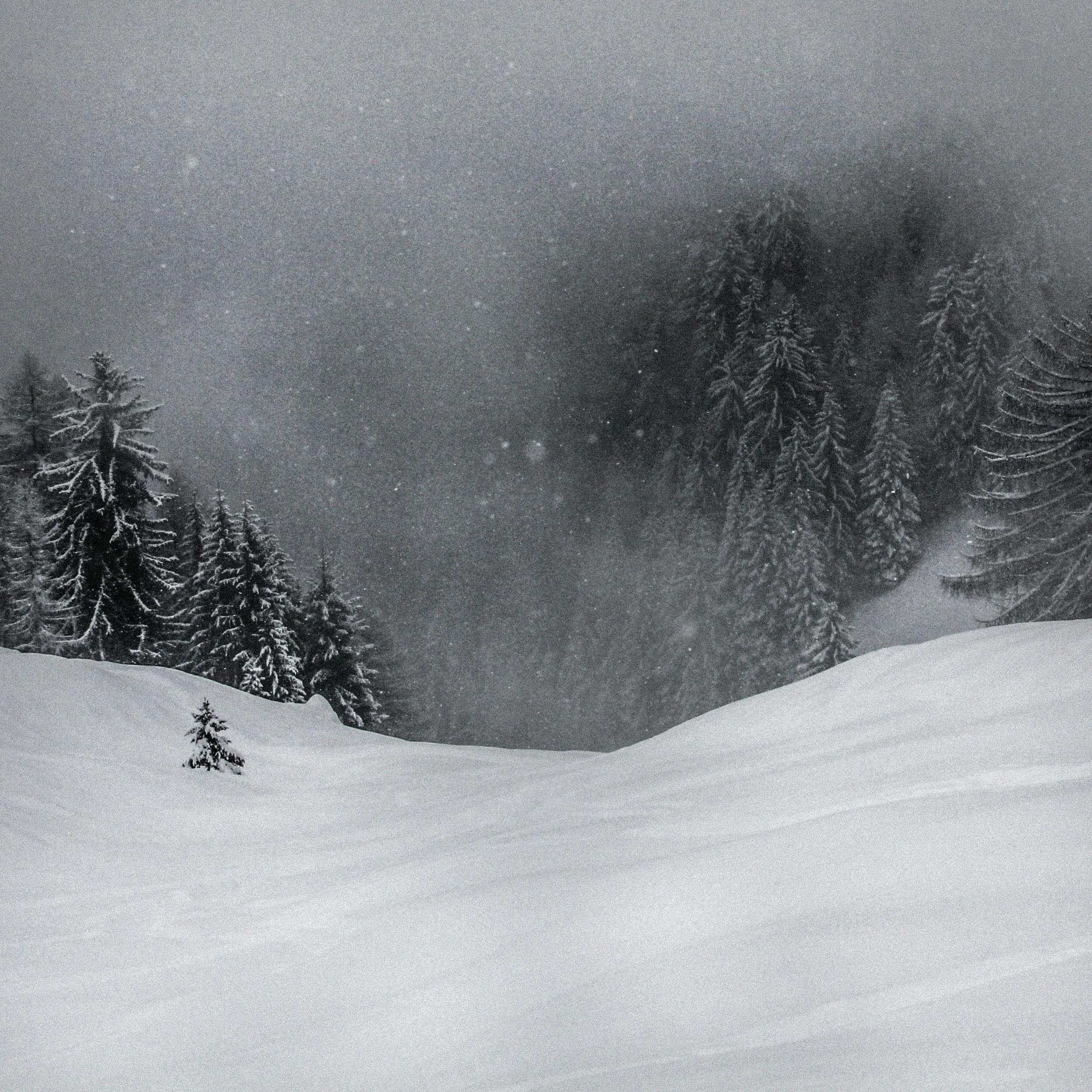
A stretch of the 401 highway was closed due to weather, and GPS rerouted us onto county roads. What followed were sustained periods of zero visibility—high winds, frigid cold, snow blowing straight across the road. Whiteout conditions where you literally cannot see what’s in front of you.
I’m not new to winter driving. I grew up in Bruce County (they had more than 30 school snow days last year, just to give you an idea of the weather experience there). I’ve taken BMW winter driving school. I hosted a group of media when I worked for GM at its Cold Weather Development Centre in Kapuskasing, where we experienced training on driving on sheer ice.
And still—these recent conditions were terrifying. I had my 14-year-old beside me. Another child at home. I’m a sole parent. I remember thinking: We have to get through this.
I was white-knuckling the wheel, saying quiet prayers, trying to stay calm while my heart pounded. There was nowhere to pull over. Turning around didn’t feel like a promising option. Going forward felt just as uncertain. We were in the eye of the storm.
And then—just as I hit the point of I don’t know if I can do this —within minutes, we drove into the clearing. I could see hints of blue sky. Sunshine. Visibility. The storm was behind us. I was overwhelmed with gratitude. I don’t think I’ve ever been so happy to pull into my driveway. And yet… I carried that drive with me for days.
When the Storm Is Over—but Your Nervous System Doesn’t Know It Yet
On Monday morning, I met one of my Executive Coaching clients and asked how her weekend was. She told me about driving to Windsor with her husband for her son’s competition—and the exact same storm, the same stretch, the same white-knuckling experience.
As we talked, a deeper truth emerged. Both of us had been through storms in our lives. Real ones. Heavy ones. Sustained ones. And while those storms were now in the rearview mirror, we were still living—and leading—like we were right in the middle of them.
Hyper-vigilant.
Leaning into control.
Always bracing for impact.
Nervous systems stuck on high alert.
The storm had passed—but our bodies hadn’t caught up.
Leadership Insight: You Can’t Lead ‘Normal Road Conditions’ Like a Whiteout
Here’s what I see over and over with leaders navigating change:
When you’ve been through prolonged uncertainty, pressure, or loss, your nervous system learns to survive—not to rest. That survival mode keeps you alive in the storm. But it limits you once the storm has passed.
You start:
Over-checking
Over-controlling
Over-preparing
Over-thinking
Not because you’re weak—but because your system is still driving as if visibility is zero.
And here’s the truth:
We don’t need white-knuckle leadership on a clear highway.
Yes, storms will come again.
Yes, leadership always involves uncertainty.
But when the storm is behind you, it’s okay—necessary, even—to loosen your grip.
A Reflection for Leaders Reading This
Ask yourself:
Where in my life am I still driving like I can’t see—when I actually can?
What would change if I trusted that I’m through the worst of it?
What decisions might I make differently if my nervous system felt safe again?
Resilience isn’t about pushing harder.
It’s about knowing when you no longer need to.
Human Leadership in a World of Constant Change
This is the work I do with leaders.
Not just strategy.
Not just performance.
But helping high-performing, capable leaders recalibrate their nervous systems after prolonged storms—so they can lead with clarity, presence, and humanity again.
Because the goal isn’t just to survive the storm.
It’s to recognize when you’re finally driving under blue skies—and give yourself permission to lead accordingly.
If this resonates:
If you’re a leader who knows the storm is behind you—but your body hasn’t caught up yet, I’d love to support you.
📩 Email me to book a 20-minute complimentary discovery call to explore what recalibration could look like for you.
You don’t have to keep white-knuckling it.